- LittleLaw
- Posts
- 🗂️ What the CMA reforms mean for law firms
🗂️ What the CMA reforms mean for law firms


Idin Sabahipour & Laura White
January 21, 2026

Together with

Table of Contents
If you take just one thing from this email...
The government wants the CMA (the UK’s competition regulator) to interfere less in deals and move faster when it does step in. Fewer mergers would be reviewed, decisions should come quicker, and old rules that cost businesses money may be scrapped. This would mean faster deals and less uncertainty for companies (making the UK a better place to do business). But the changes could make competition checks weaker or more open to political influence.

EDITOR’S RAMBLE 🗣
Earlier this week, I read a disciplinary case which I want to share.
Not to pile on to the lawyer involved (who’s already faced the consequences). But to highlight the position their junior colleague was put in — and the decision they made in that moment.
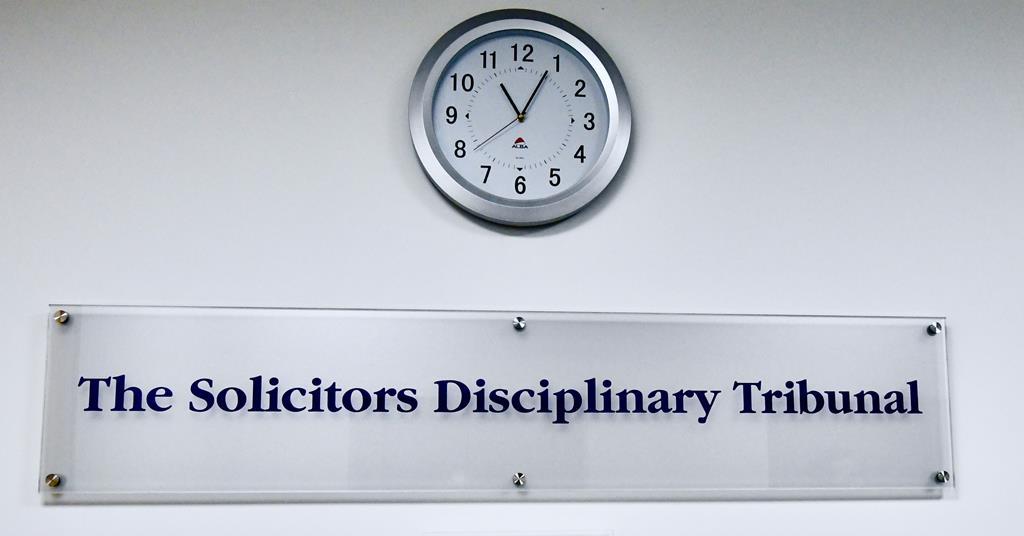
Here’s what happened.
The case was a family law matter. A senior solicitor told the opposing party that a specific court application had been made — but it hadn’t been made (so, what they said was untrue).
The opposing party was an individual who was representing themselves, without a lawyer. They’d already said how stressful they were finding the process.
A few days later, the senior solicitor emailed a junior colleague and asked them to send the same message to the opposing party, saying the application had been made (it hadn’t). In that internal email to the junior, the senior solicitor even admitted that the application did not exist and that the opposing party didn’t know this.
Here’s what happened next.
The junior didn’t send the email — they felt uncomfortable and spoke to a partner instead.
That decision brought the issue into the open. The case was referred to the Solicitors Disciplinary Tribunal (they decide misconduct cases for solicitors). They concluded that the conduct was dishonest and ordered that the solicitor be struck off — meaning they can no longer practise.
I’m sharing this because, although it’s rare, situations like this can happen when you’re a junior in a team.
When someone senior asks you to do something that doesn’t add up, you might think you’re missing context or that you don’t yet understand how things work. That experience gap makes you doubt yourself, and staying quiet can feel safer.
But here’s what I want you to take away from this.
You’re never too junior to pause and check. You’re never too junior to say, “I might be wrong, but can I run this past you?”
You don’t need to accuse anyone or make it dramatic. Raising a concern can be as simple as asking a question.
Worst case, you learn why it’s fine and move on with a better understanding. Best case, you protect yourself and stop something before it becomes a serious problem.
That’s why I’m sharing this. I want to highlight the junior legal executive who trusted their instincts and raised a concern.
Remember, your judgement matters. Even from day one.
– Idin

FEATURED REPORT 📰
🗂️ What the CMA reforms mean for law firms

What’s going on here?
This week, the government proposed changes to the Competition and Markets Authority (CMA), the UK’s competition regulator.
The aim is to make the CMA faster and more predictable, to help support economic growth in the UK.
🤔 What does the CMA do?
The CMA promotes competition and tackles unfair behaviour. Its aim is to protect consumers and keep markets working properly.
For example, if two large supermarket chains want to merge, the CMA could step in and block the deal if it thought it would reduce competition too much.
How does the CMA review mergers?
The CMA does its job in two main ways: by reviewing individual mergers and by examining how whole markets operate.
🤝 Method 1: Merger reviews
The CMA can review deals where one company buys or merges with another, if certain size or market share thresholds are met. It can step in before a deal completes or after it has gone through, as long as the review begins within four months of the deal becoming public or coming to the CMA’s attention.
📊 Key thresholds to know:
→ Turnover test: the target company has more than £70 million in UK turnover.
→ Share of supply test: the merger creates or increases a 25% or more share of a particular good or service in the UK (or a substantial part of it).
Even where these thresholds are met, the CMA has broad discretion over whether to review a deal — particularly under the share of supply test.
Once a deal is reviewed, the CMA has some options. It can:
Clear it (so it goes ahead)
Clear it subject to conditions
Open a deeper Phase 2 investigation if it believes there’s a real risk to competition (these investigations can last around six months)
If it still has concerns after that Phase 2 review, the CMA can block the deal or (if it’s already been completed) require it to be unwound.
🏪 Method 2: Market reviews
Unlike merger reviews, market reviews aren’t tied to a specific deal. They look at whole industries. The CMA uses them when it thinks a market isn’t working well for consumers.
These reviews usually start with a market study. The CMA looks at how the market works, including prices, competition, regulation, and how companies behave. It may then make recommendations to the government or regulators, or ask businesses to make voluntary changes.
If the problems look serious, it can take things further. And that next step of “taking it further” is a market investigation.
This gives the CMA stronger powers. If competition problems affect the whole market, it can force companies to change how they operate, break up businesses, or impose price controls.
Right now, for example, the CMA is investigating the market for veterinary services for pets.
What changes are being proposed, and why?
The CMA only blocked one merger in 2025, but the government believes the regulator is still slowing down economic growth. That’s because calling a deal in for review can really delay transactions — and delays kill deals.
While a deal is delayed, buyers may not know whether the deal will be approved or not. That uncertainty can make it harder to do things like secure financing, or plan integration.
Last year, the CMA reviewed 39 deals. The government worries this level of intervention is putting buyers off UK businesses, as those deals can be delayed, face conditions, or even be unwound after completion.
The aim of these proposed changes is to reduce that friction. The government says the CMA should be faster and more predictable, while still protecting consumers.
Here are three of the key changes being proposed.
📉 Fewer mergers reviewed: At the moment, the CMA can review a wide range of mergers based on turnover and market share. The government wants to tighten these tests so fewer deals fall within the CMA’s scope. The aim is to reduce intervention in transactions that are unlikely to cause serious competition problems.
👤 Who makes the decisions: Currently, mergers are assessed by independent panels made up of academics and business experts. The proposal is to replace these panels with members of the CMA’s board. This should make decisions quicker and more predictable. Critics worry it could reduce the CMA’s independence, making it easier for political pressure to influence outcomes.
📜 Removing outdated remedies: The CMA is reviewing 33 existing market remedies to see if they’re still needed. These rules were introduced after past market investigations, but some may now be outdated because new laws or technology have changed how markets work. For example, some travel rules were designed for in-store bookings, and some banking rules pre-date mobile apps. Removing these could save businesses money by removing ongoing compliance costs (like monitoring and reporting) that no longer serve a clear purpose.
How can you use this in your applications?
Here are some ways you can use the insights from this story in your law firm applications.
Insight | Why it’s important | How to use it in your applications |
|---|---|---|
The CMA may end up reviewing fewer mergers | Fewer reviews mean fewer delays and more certainty around corporate deal timetables. This can make the UK a more attractive place to do deals. | In a question asking you to explain a news story and how it impacts law firms, explain how regulatory changes can increase deal volume, creating more work for transactional teams. This shows you understand how the regulation links to the law firm’s business. |
Speed and predictability are important to businesses | Even if a deal is approved, long regulatory delays can cause it to collapse. So, regulatory risk is a business risk. | In a case study or interview, if there are two companies in the same industry merging, flag regulatory approval as a potential risk. Explain how lawyers help manage timing, sequencing, and client expectations around regulators like the CMA. |
Regulatory reform doesn’t affect all law firm teams the same way | If the CMA’s powers are reduced, corporate teams could benefit from faster deals — but competition teams might end up seeing less work (there could be fewer Phase 2 reviews to help with). | You can discuss this in an application question or in a commercial awareness interview to show you understand the nuance of this change. There are potential “winners” and “losers” from this deal — it’s not all positive change. |
Regulation can drive legal demand | The UK government’s policy can directly shape demand for legal services. | If you’re asked about how politics can impact law as a business, use this as a concrete example. It shows how government decisions change law firms’ actual workloads (not just the legal rules). |
Lawyers must anticipate change, not just know the law | Advising based only on current rules can lead to advice that’s not useful to your client — it could be overly cautious or outdated. | If you’re dealing with a competition issue in a case study question, mention this potential law change — even if it hasn’t happened yet. That helps make your advice commercially realistic and future-proof, not just “legally correct”. |

TOGETHER WITH LINKLATERS* 🤝
How do you actually get inside a top law firm?

LittleLaw is hosting its first ever LittleLaw x Linklaters Open Day, live at Linklaters’ London office next month.
It’ll be a full day, in-person — looking at how a global law firm actually works. Plus, you’ll have space to ask the awkward, practical questions you never get answers to online.
To be in with a chance of securing your place, you need to join this Friday’s event that LittleLaw’s running in collaboration with Linklaters as part of its Commercial Law 101 series. It’s a virtual, one-hour event covering how a law firm really works (presented by LittleLaw).
Everyone who attends is entered into a draw to attend the Open Day.
* This is sponsored content
IN OTHER NEWS 🗞
🇪🇸 US law firm Gibson Dunn is opening an office in Madrid. The firm’s hired Armando Albarrán, head of corporate from Freshfields’ Spain office. He will lead Gibson Dunn’s new Madrid office and help grow its European deals work, especially private equity and cross-border M&A. Gibson Dunn says Madrid is a key hub for high-value deals between Europe and the Americas, and this move strengthens its ability to serve clients across the region.
💳 Revolut, Mastercard and Visa lost a High Court challenge over plans to cap card fees on overseas payments. They said the regulator didn’t have the power to step in since these fees rose a lot after Brexit. The court disagreed — that means the regulator can move ahead with a public consultation, which could cut costs for retailers but reduce income for banks and fintechs.
🎨 Macfarlanes has refreshed its brand for the first time in at least 15 years. The firm has rolled out a bolder logo — making a clear shift away from the traditional City law firm look. The update follows a strong year for the firm, with revenue up and profit per equity partner passing £3 million.

AROUND THE WEB 🌐
🤖 Curious: Wondering whether robots will take your job? This site shows how likely that is (lawyer is only 33% likely)
🐸 Game: Maybe you feel like being a frog, wandering round a city and interacting with what’s there
🗺️ Cool: A world map of human ideas

STUFF THAT MIGHT HELP YOU 👌
💻️ Free application advice: Check out my YouTube channel for actionable tips and an insight into the lifestyle of a commercial lawyer in London.
📁 Law firm application bank: A growing library of real, verified successful applications for training contracts and vacation schemes. Helpful if you want to learn from others who answered the same questions you’re stuck on.
📝 Write winning law firm applications: A practical course to help you write clearer applications, faster. Avoid common mistakes, learn how to structure answers properly, and get lifetime access to future updates. Try it for 14 days, risk free.
How did you find today's newsletter? |