- LittleLaw
- Posts
- ⛏️ How Womble Bond Dickinson helped turn mines into energy
⛏️ How Womble Bond Dickinson helped turn mines into energy


Idin Sabahipour & Laura White
December 10, 2025

Together with

Table of Contents
If you take just one thing from this email...
Lawyers are needed to bring clean energy projects to life. In Seaham, the heat for hundreds of new homes comes from warm water in old mine shafts, but none of that can happen unless the land deal, the planning rules, the funding, and the energy contracts are all tied together properly. The legal work is necessary to turn it from a clever idea to something people can rely on.

EDITOR’S RAMBLE 🗣
Today’s story is a bit different — and super interesting.
We’ve worked with Womble Bond Dickinson to show how their lawyers helped turn old coal mines into clean energy (yes, you read that right).
Under Seaham, in County Durham, there are disused mine shafts filled with warm water. WBD advised on how to tap into that heat, to power hundreds of new affordable homes.
If you’re interested in renewable energy work, it’s a way to see behind the scenes of what actually happens in these deals (and where trainees get involved).
Once you’ve read it, let me know:
Did this give you a better understanding of WBD or their work?Give a reason after you vote |
I want to do what’s best for you. So, your feedback shapes what we cover with WBD and other firms in the future.
– Idin
P.S. WBD’s training contract applications are open right now (apply here).

FEATURED REPORT 📰
⛏️ How Womble Bond Dickinson helped turn mines into energy
What’s going on here?
Womble Bond Dickinson advised Karbon Homes (a housing association in the North East building affordable housing), on a new heat supply deal with Vital Energi. Vital Energi is a company that produces and distributes low-carbon energy.
Under the deal, Vital Energi will provide heat and hot water to 750 affordable homes that Karbon is building at Seaham Garden Village in County Durham — half of the 1,500 homes on the new development that will be built in phases over the next decade.

Seaham Garden Village (Source)
Where does the heat come from?
The heat for these homes doesn’t come from burning fuels.
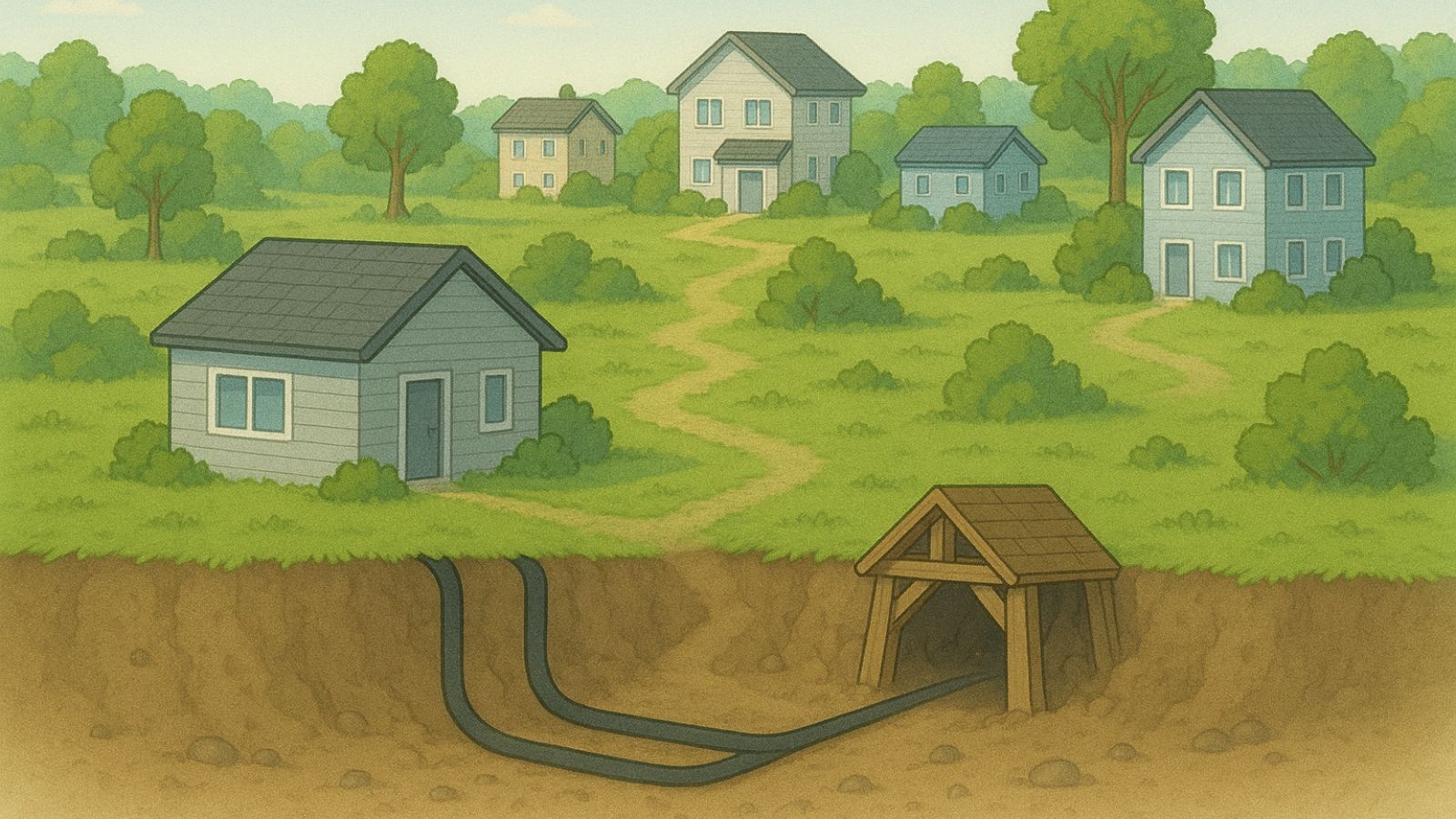
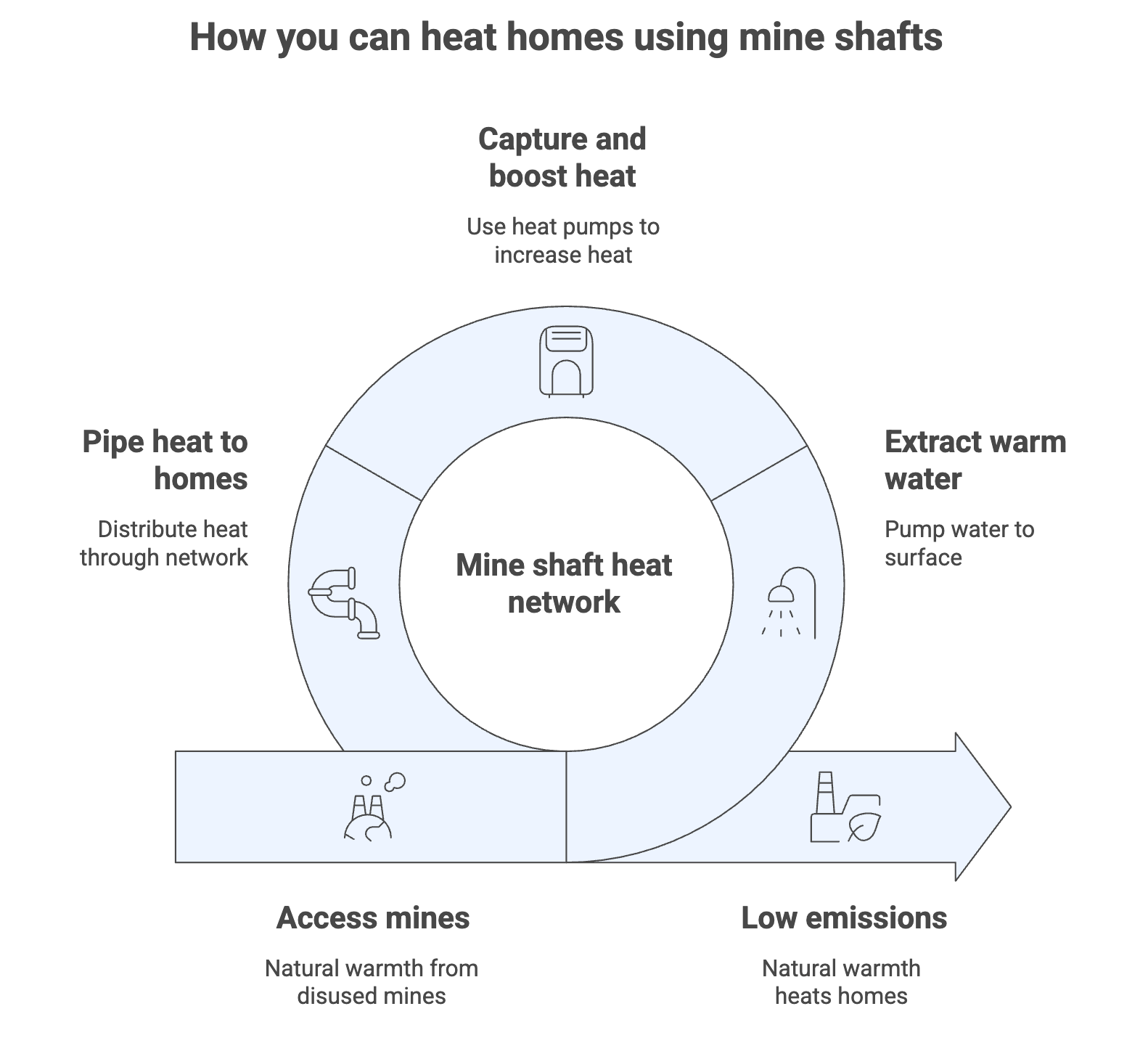
Instead, it uses the natural warmth from the water extracted from the disused coal mine shafts under the town of Seaham. The water is extracted at around 20°C, naturally heated by geothermal energy from the earth’s crust and, after being treated to remove heavy metals, the warm water is fed into the ultra-low carbon district heat network. Here the temperature is boosted using heat pumps (which capture low-level heat and intensify it) and piped to the new homes through a new network of pipes.
Because no fossil fuels are burnt during the process, the system produces far fewer greenhouse gas emissions than normal gas boilers. It’s also reliable, as the water in the mine shafts stays warm all year round. Plus, it’s potentially scalable since there are a lot of other UK towns which have abandoned mine shafts sitting beneath them.
Who was involved in this project?
Here are the key players and what they do:
🏘️ Karbon Homes: It’s a housing provider (and WBD’s client in this deal). It planned and commissioned the geothermal heating system for the new homes.
🔥 Vital Energi: It designed, built, and now operates the mine-water heating system. It runs the energy centre, heat pumps, and the heat network.
🏛️ Durham County Council: It supported the project through the procurement process and checked that it fitted with the area’s energy and economic plans.
⛏️ Mining Remediation Authority: It manages the UK’s abandoned coal mines and granted access to the mine workings.
📘 Womble Bond Dickinson: The law firm acted for Karbon Homes — we’ll go over exactly what they did in the next section. 👇
What work did Womble Bond Dickinson do?
Womble Bond Dickinson advised on every stage of the heat network project.
Here’s how that work broke down.
Step 1: Land acquisition
The law firm helped Karbon Homes buy the land for the development.
In doing that, it prepared a conditional purchase contract — meaning Karbon only had to buy the land once key conditions were met (like securing planning permission).
This protected Karbon by ensuring it only paid for the land once it was certain it could deliver the development as planned.
🤔 What is a conditional contract?
A conditional contract is a sale agreement that only becomes binding once certain things happen first (like getting planning consent). The buyer only has to go ahead if that condition is met, so they aren’t locked in too early.
It protects developers from buying land before they know they can actually use it for their project.
Step 2: Making the contracts work
WBD negotiated the connection and supply agreements between Karbon Homes and Vital Energi — that sets out who’s responsible for each part of the system and what happens if one party doesn’t meet their obligations.
They also advised on the building contracts. The project has several parts that were linked together: the mine-water energy centre, the heat pipes that run through the ground, and the heating and plumbing inside each home.
The contracts needed to deal with several technical areas to make sure all these parts could connect properly.
This covered both the layout of the groundworks and heat pipes, and how the homes would be fitted with heating and plumbing that connected into the geothermal network.
Each set of documents had to align so there were no gaps or conflicting responsibilities between the parties.
Why is this so important? Well, big projects like this use lots of different teams of builders, all working on parts that have to fit together.
If the contracts don’t line up, you can get “interface risk” — basically the risk that something goes wrong where two parts of the project meet.
Lawyers reduce that risk by making sure all the documents match and everyone’s responsibilities connect properly.
Step 3: Planning and approvals
Karbon Homes already had section 106 agreements with Durham County Council for the 750 homes.
🤔 What is a section 106 agreement?
A section 106 agreement is a legal agreement between a developer and the local council. It sets out things the developer must provide in the area as part of getting planning permission.
This could be funding for road upgrades, investing in local services, or a requirement to include affordable homes in the project. Once agreed, it becomes a binding part of the planning approval.
These agreements placed certain obligations on Karbon as a condition of planning approval.
As the project developed, Womble Bond Dickinson advised on varying these agreements so that the planning obligations continued to reflect what was being delivered on the site.
Step 4: Funding and governance
Part of the project was supported by government grant funding through the Heat Networks Investment Project — a government scheme that provides funding to help developers build low‑carbon heat networks. These grants reduce upfront costs and make early‑stage projects more financially viable.
Womble Bond Dickinson advised on the long-term management arrangements between Vital Energi and Karbon Homes. These set out who would look after the site after it was built and how future costs and responsibilities would be shared.
🏗️ WBD’s long-term partnership with Karbon Homes
WBD has worked with Karbon Homes for more than 20 years on major real estate, construction, and planning projects, including the first Seaham Garden Village agreements in 2022. The firm is deeply familiar with how Karbon operates day to day.
This long relationship means WBD can move faster, spot risks earlier, and give advice that aligns with Karbon’s way of working in practice.
What work did the junior lawyers do?
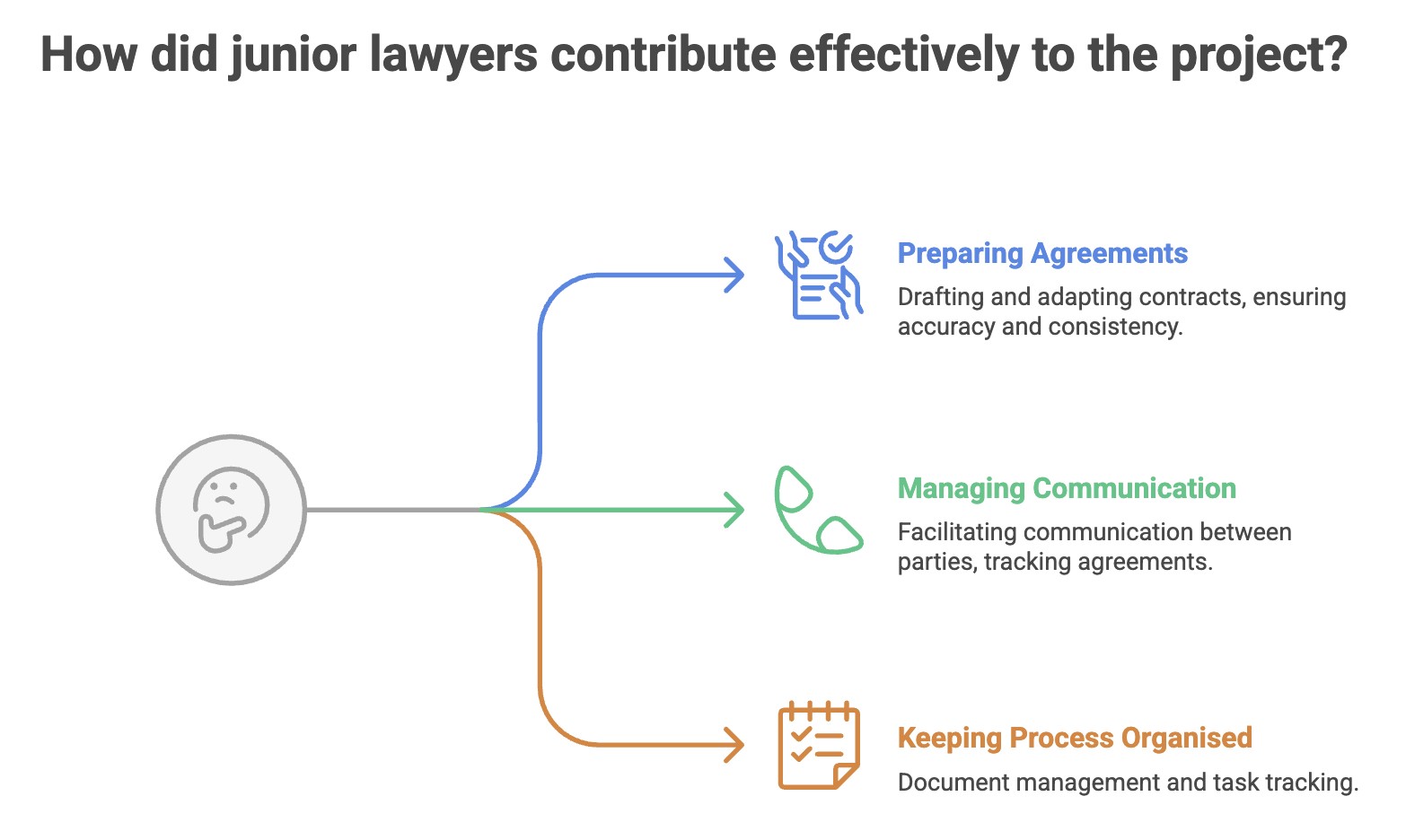
The junior associates in the team played a hands-on role in keeping the project moving.
Their work helped turn a huge, complicated deal into something that was more manageable day to day.
⌨️ Helping prepare the supply agreements: Junior lawyers supported the drafting of the connection and supply agreements (and the related documents).
This usually involves preparing markups after negotiations, and checking schedules, annexes, and cross-references so the documents stay accurate and consistent before being circulated to the parties involved.
🗣️ Managing communication with the client and the other side: The juniors also assisted with communication between Karbon Homes, Vital Energi and the wider project team.
This included corresponding with the other side's lawyers, sharing updated drafts, and helping gather the information needed to progress the documents.
They kept track of which points were agreed and which were still open so nothing was overlooked.
📄 Keeping the process organised: The junior team members helped keep everything organised.
That means tracking versions of documents, preparing short notes before meetings, and maintaining checklists so the team always knew what still needed to be done before the documents could be signed.
📂 Why juniors matter in real projects
The real value junior lawyers bring isn’t always legal — it’s often project management.
Most big projects succeed because of how well the moving parts are organised.
So, if you can keep documents tidy, information flowing and decisions recorded, you become indispensable to the team. Sounds simple, but it’s not easy.
Plus, it’s one of the fastest ways to build trust and earn more responsibility.
What’s changing in the heat network sector?
The heat network sector is going through a major shift.
From January 2026, Ofgem (the energy regulator in Great Britain) will start regulating heat networks in the same way it regulates energy suppliers. This means new rules on:
how customers are billed,
how complaints are handled, and
how vulnerable people are protected.
Developers (like Karbon Homes) and operators (like Vital Energi) will need to show they meet these new standards — and that can create ongoing regulatory work for lawyers.
At the same time, the Energy Act 2023 gives the government the power to create “heat network zones”. The Act is a major piece of energy legislation that sets out how the UK will shift towards cleaner, low-carbon heating.
These zones are areas where buildings must connect to a heat network (instead of installing their own gas boilers). As these zones roll out, more developers and councils will need low-carbon, reliable heat sources for entire neighbourhoods.
And mine-water heating fits directly into this trend.
The UK has thousands of disused mines full of naturally warm water, which makes this a scalable, low-carbon option. And as more places look for affordable, sustainable heat, projects like the Seaham network are likely to become more common — which means more work for lawyers.
Law firms will be needed to advise on compliance, draft the commercial agreements, structure the projects, and manage the risks created by these new rules.
For future lawyers, this shift means more work where energy, regulation, construction, and real estate all meet.
So, if you’re drawn to the renewable energy industry, WBD’s work here shows how central commercial lawyers are becoming.
Did this give you a better understanding of WBD or their work?Give a reason after you vote |
Want to apply to Womble Bond Dickinson?

IN OTHER NEWS 🗞
🍦 Linklaters helped Unilever split off The Magnum Ice Cream Company and set it up as its own business. The firm handled the legal work across more than 80 countries and guided the company through listings in Amsterdam, London and New York. It also worked closely with regulators in the UK, the US and the Netherlands to get the structure approved. This continues Linklaters’ long run of advising Unilever on major carve-outs around the world.
🎬 Netflix wants to buy Warner Bros for $72 billion. Now, top US law firms are preparing for a huge competition battle. Skadden is advising Netflix, while Wachtell and Debevoise are acting for Warner Bros. Regulators in the US, EU and UK are expected to push hard because the merged business would control a massive share of the premium streaming market. Netflix is trying to argue that most HBO Max users already subscribe to Netflix, so the deal won’t harm competition. The risk is so high that Netflix has agreed to pay a $5.8 billion break fee if regulators block the deal.
⚽ Apollo (a US private capital firm) is buying a minority stake in Wrexham AFC. Latham & Watkins is advising Apollo while Gibson Dunn is acting for the club and its Hollywood owners, Rob McElhenney and Ryan Reynolds. Apollo has also recently completed a €2.5 billion deal for Atlético Madrid. Wrexham could be valued at up to £350 million — way above the £2 million paid when McElhenney and Reynolds bought it. Apollo’s investment will help fund major stadium upgrades, backing the club’s push to climb towards the Premier League.
AROUND THE WEB 🌐
🐦 Game: You’re a bird (use your arrows)
🛰️ Space: Track where NASA’s Mars rovers are right now
📚 Book: Get a book recommendation based on what you’ve read

STUFF THAT MIGHT HELP YOU 👌
💻️ Free application advice: Check out my YouTube channel for actionable tips and an insight into the lifestyle of a commercial lawyer in London.
📁 Law firm application bank: A growing library of real, verified successful applications for training contracts and vacation schemes. Helpful if you want to learn from others who answered the same questions you’re stuck on.
📝 Write winning law firm applications: A practical course to help you write clearer applications, faster. Avoid common mistakes, learn how to structure answers properly, and get lifetime access to future updates. Try it for 14 days, risk free.
How did you find today's newsletter? |